single
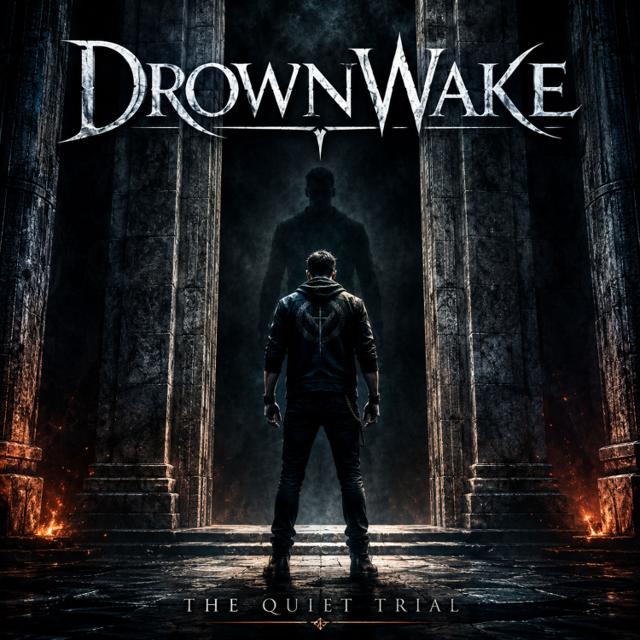
The Quiet Trial
Drown WakeAugust 21, 2026
A dark, cinematic melodic metal song about the battle to choose restraint, courage, and character when no one is watching.
Artist
Heavy music for the moments that test who you are.

Drown Wake is a cinematic heavy-rock and melodic-metal project built around trials of character: courage, temptation, grief, responsibility, restraint, resilience, and discernment. Originally conceived as a darker outlet for anger, manipulation, and social unease, the project was later stripped back and deliberately rebuilt. The modern Drown Wake keeps the weight and darkness of its origins, but shifts the focus toward the person standing inside the storm and the choices they make there.
8 ReleasesDrown Wake began in late 2025 as an experiment in giving difficult emotions somewhere to go.
The original project was heavy, dark, and intentionally uncomfortable. It drew from psychological conflict, manipulation, anger, distrust, moral frustration, and the feeling of trying to function when reality itself seems distorted by accusation, outrage, denial, or competing versions of the truth.
The name captured that atmosphere unusually well.
“Drown” suggested overwhelm, helplessness, and the experience of being pulled beneath something stronger than yourself. “Wake” carried two meanings at once: the disturbance left behind after something passes through water, and the act of becoming conscious again.
Early Drown Wake lived heavily in that aftermath. It was music about what remained after emotional or psychological drowning: anger finding breath, resistance beginning, and something damaged trying to stand back up.
That first incarnation produced a small catalog of dark heavy music, ranging from organic thrash and alternative metal to slower atmospheric material. Some songs turned inward toward blame, control, and psychological conflict. Others widened their focus toward manipulation, manufactured outrage, distrust, social division, and questions about where compassion and responsibility belong.
Over time, however, the creative process changed.
As the larger JDWS music project developed, so did the standard for what deserved to remain public. The writing became more intentional. Familiar AI-generated patterns and clichés became easier to recognize and reject. Songs increasingly needed a stronger reason to exist than simply having an interesting premise or an aggressive sound.
Eventually, the earlier Drown Wake catalog no longer represented where the project was going.
It was removed from distribution.
That could easily have been the end of Drown Wake.
Instead, the name waited.
In 2026, a different kind of heavy music began taking shape. It was still dark and powerful, but less interested in rage for its own sake. The new direction leaned toward cinematic melodic metal and hard rock: large riffs, dramatic atmosphere, clean storytelling, and themes that could carry real weight without depending on profanity, shock, or nihilism.
More importantly, the subject changed.
The original Drown Wake often looked outward and asked what was wrong with the world, the institution, the relationship, or the person applying pressure.
The reboot became much more interested in the person facing that pressure.
What happens when nobody sees the battle?
What does strength cost?
When does loyalty become self-destruction?
Can fear sometimes be wisdom?
What happens when temptation is real, grief refuses to leave, responsibility becomes crushing, or something larger than you cannot be fully understood?
Those questions became the real territory of Drown Wake.
Observations from ordinary life began feeding the project alongside remembered dreams and symbolic imagery. A living tree supporting a dead one could become a meditation on burden and responsibility. A childhood memory of encountering something deeply threatening could become a story about temptation, warning, and discernment. Solitary figures facing roads, forests, objects, ruins, or overwhelming spaces became recurring visual metaphors for the same idea.
Someone stands before something larger.
They still have a choice.
That idea also reshaped the visual identity. Earlier Drown Wake imagery emphasized black water, distortion, decay, and psychological enclosure. The reboot retained charcoal, steel, shadow, and restrained light, but increasingly placed a human figure inside those environments. The darkness became the setting rather than the central subject.
That distinction defines modern Drown Wake.
It is not worship music, although spiritual questions may occasionally pass through it. It is not horror music, even when dreams or unsettling imagery appear. It is not political music, despite an early history of examining manipulation and social conflict. And it is not interested in pretending that every difficult story resolves neatly.
Drown Wake is heavy music about encounters with darkness and what those encounters reveal about the person going through them.
The original project remains part of the history. Its anger, weight, experimentation, and willingness to look directly at uncomfortable subjects helped establish the language Drown Wake still speaks.
But the reboot changed what that language is used to say.
The first Drown Wake was often about surviving the drowning.
The new Drown Wake is about what happens after you wake.
Discography
single
August 21, 2026
A dark, cinematic melodic metal song about the battle to choose restraint, courage, and character when no one is watching.
single
August 29, 2026
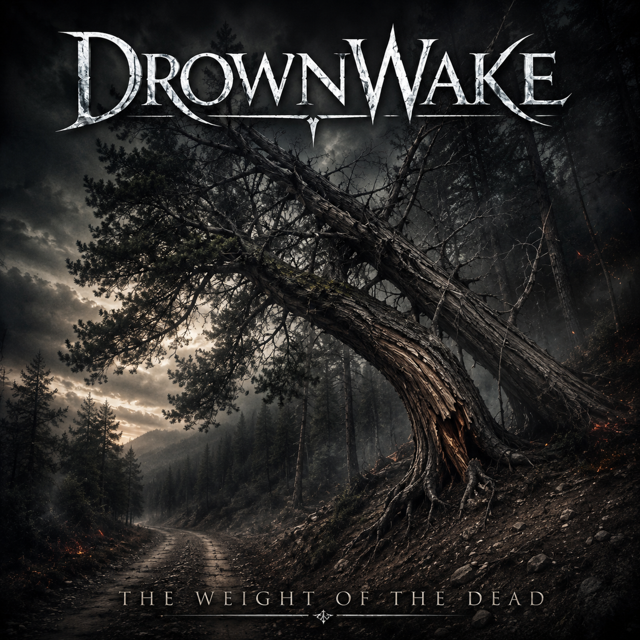
A dark melodic metal song inspired by a living tree slowly failing under the weight of a dead tree it is still holding above a forest road.
single
August 30, 2026
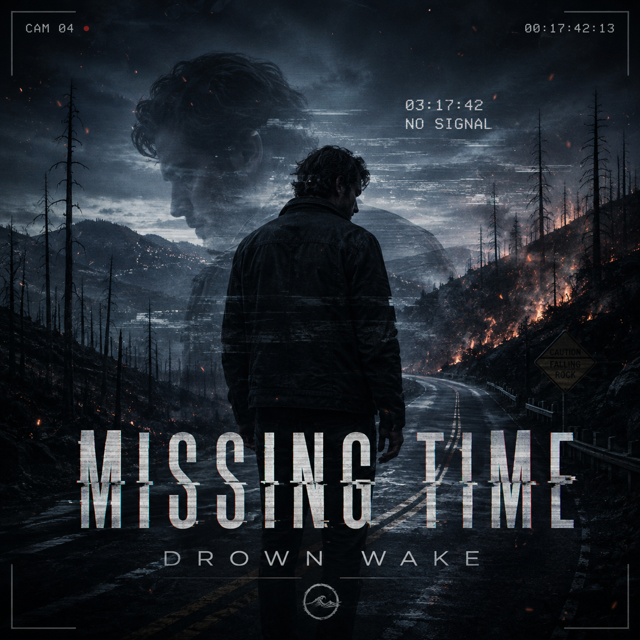
A dark psychological rock story about missing memory, uncertain evidence, and the terrifying moment when a person can no longer completely trust their own version of events.
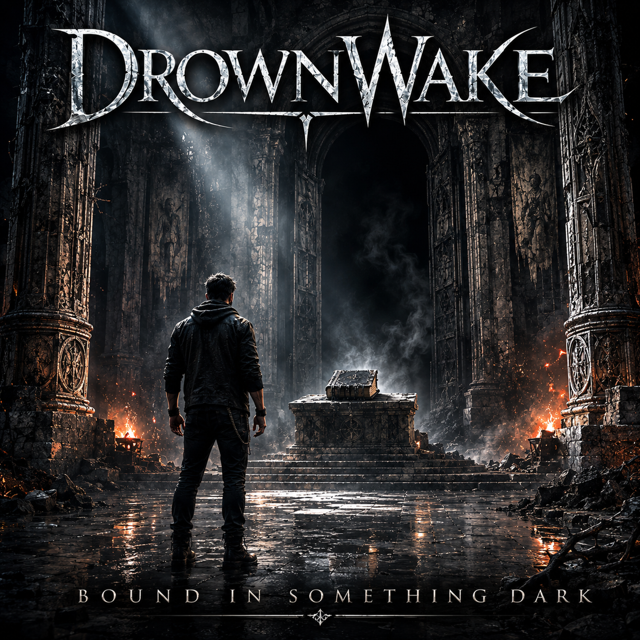
single
September 5, 2026
A dark, bass-led Drown Wake song drawn from a childhood nightmare and my adult reflection on fear, moral choice, and the possibility that some warnings deserve respect.
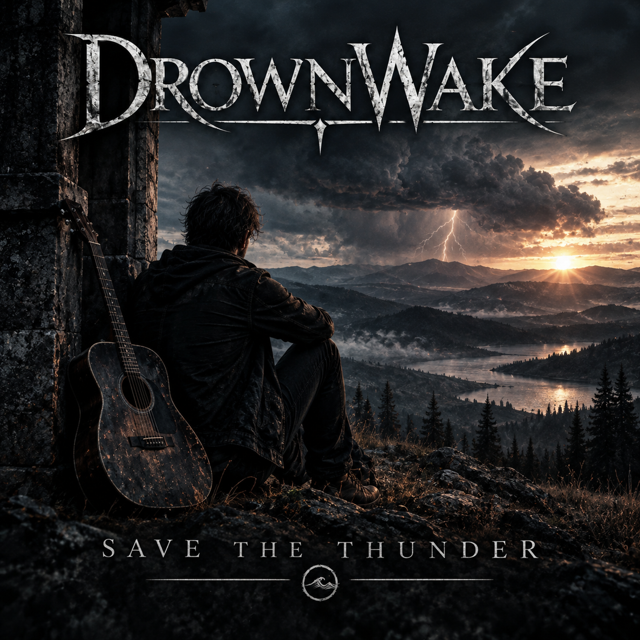
single
September 9, 2026
An acoustic Drown Wake song about becoming more selective with emotional intensity and saving the deepest reactions for what is real.
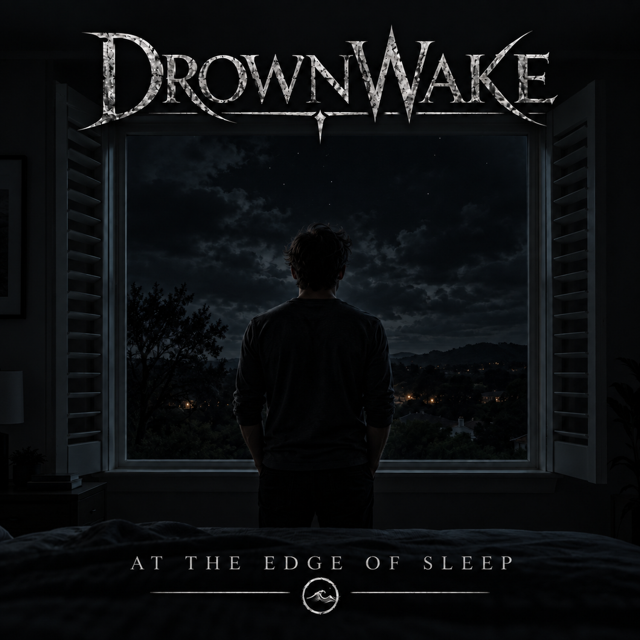
single
September 13, 2026
I wrote this song out of that strange threshold between dreaming and waking, when memory, instinct, fear, wonder, and stillness all briefly occupy the same room.
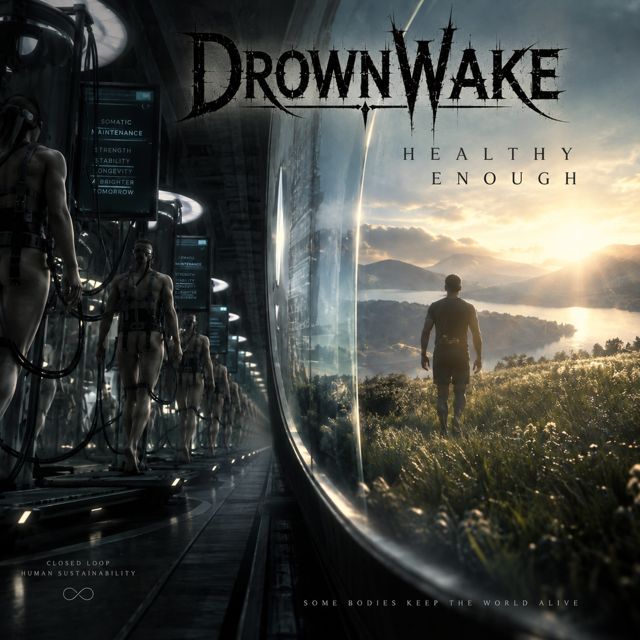
single
September 19, 2026
A cinematic Drown Wake song about a future where human sacrifice has been industrialized, and where someone with enough power can buy more time from someone who never chose to give it.
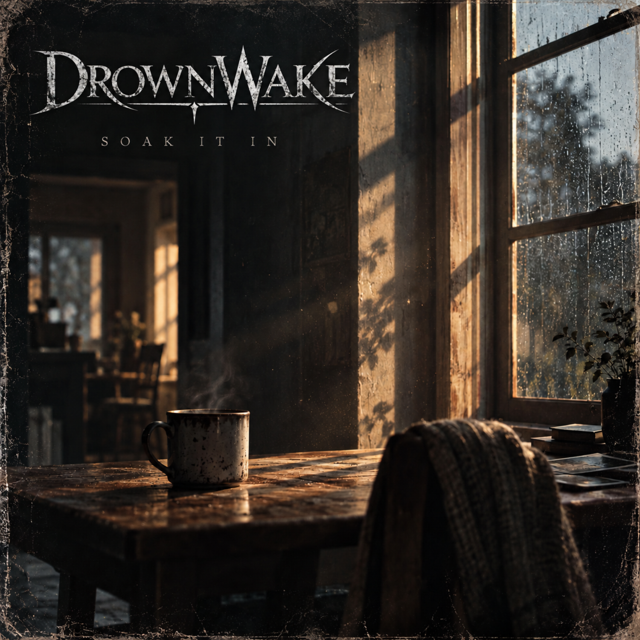
single
September 27, 2026
I wrote "Soak It In" as a quiet Drown Wake meditation on presence, impermanence, and noticing ordinary life while it is still happening.
💬 Comments & Discussion
Comments are powered by GitHub Discussions. You'll need a GitHub account to participate.